

Choosing the right gutter system can make a meaningful difference in how well your home handles rain and snowmelt. If you’re comparing seamless gutters vs. regular gutters, the biggest difference is how the gutters are manufactured and where their seams are located.
Seamless gutters are formed in long, continuous sections with fewer joints, while regular gutters—also called sectional gutters—are assembled from multiple pieces. Both can effectively move water away from your home when properly sized and installed, but their maintenance requirements, appearance, durability, and potential for leaks can differ.
When it comes to protecting your home from rainwater, the right gutter system matters. If you’re comparing seamless gutters vs. regular gutters, understanding the differences in installation, maintenance, durability, and cost can help you make a confident decision.
With more than four decades of experience serving homeowners, MHI Roofing provides dependable exterior services backed by quality products and a commitment to customer satisfaction. If you’re ready to explore your gutter options, contact MHI Roofing today for a free inspection and professional guidance.
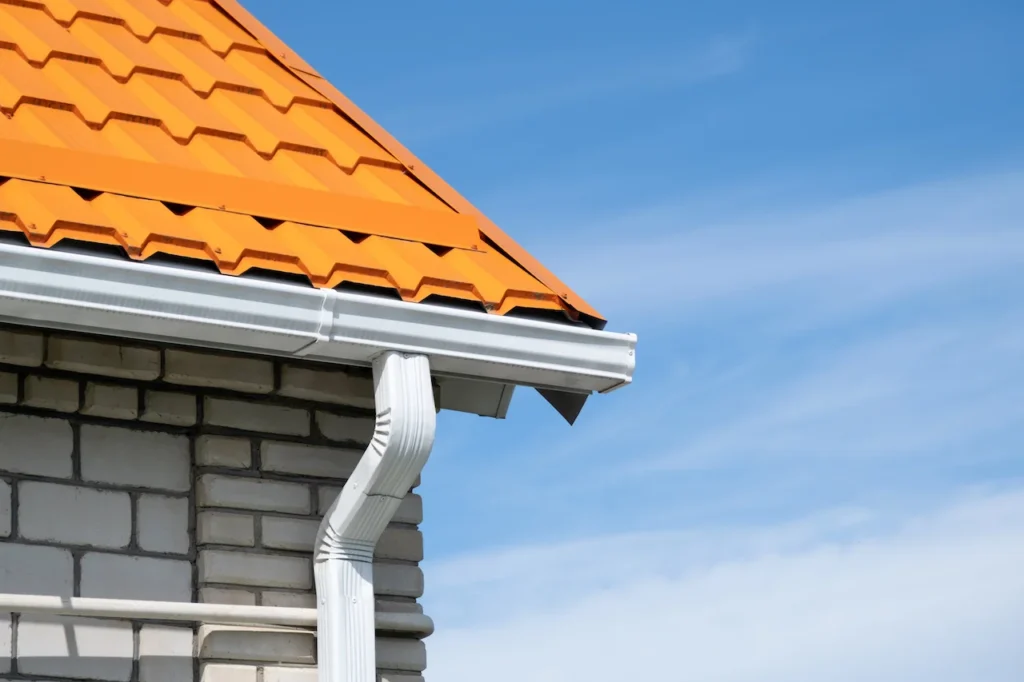
Seamless Gutters vs. Regular Gutters: What’s the Difference?
The basic purpose of any gutter system is to collect rainwater from your roof and direct it toward downspouts, where it can be carried away from your home’s foundation.
The U.S. Department of Energy recommends appropriately sized gutters and downspouts as part of a water-management system that helps keep water away from a home’s foundation.
The primary difference between the two systems is construction.
Seamless gutters are manufactured in long, continuous pieces and generally have seams only at corners and other necessary connection points. A professional installer typically forms the gutter to the required length at the job site.
Regular gutters, also known as sectional gutters, are manufactured in shorter sections. Installers connect those sections together to create the complete gutter run.
Both options can work well, but the number of joints creates an important distinction when you’re thinking about long-term maintenance and the possibility of gutter leaks.
Seamless Gutters vs. Regular Gutters: Key Differences
When comparing seamless gutters vs. regular gutters, consider these factors:
- Seams: Seamless gutters have fewer joints, while sectional gutters have seams throughout each gutter run.
- Leak potential: Fewer seams mean fewer potential connection points where leaks can develop.
- Installation: Seamless systems generally require professional installation and specialized equipment.
- Customization: Seamless gutters can be formed to fit the dimensions of your home.
- Repairs: Damaged portions of sectional gutters can sometimes be replaced individually.
- Appearance: Seamless gutters can provide a cleaner, more continuous appearance along the roofline.
- Upfront cost: Seamless gutters generally cost more initially than basic sectional systems.
- Maintenance: Both systems require regular cleaning and inspection, regardless of whether they are seamless or sectional.
The right choice ultimately depends on your home’s design, drainage needs, budget, and how much maintenance you’re willing to perform.
What Are the Benefits of Seamless Gutters?
Seamless gutters have become a popular choice for homeowners who want a durable, low-maintenance gutter system.
Fewer Seams Can Mean Fewer Gutter Leaks
One of the biggest advantages of seamless gutters is their reduced number of joints.
A sectional gutter system may have several seams along a single side of a home. Every connection is another location that can potentially loosen, separate, or develop a leak over time.
Seamless gutters aren’t completely leak-proof. Corners, downspout connections, and other connection points still exist. However, eliminating many of the intermediate seams can reduce the number of potential trouble spots.
Seamless Gutters Offer a Clean Appearance
Because seamless gutters are manufactured in longer continuous sections, they can create a smooth appearance along the roofline.
This can be especially beneficial if you’re concerned about curb appeal. A properly installed gutter system should complement your home’s exterior rather than becoming a distracting feature.
Seamless Gutters Can Be Custom-Fitted
A major benefit of professional seamless gutter installation is that the system can be measured and formed for the specific dimensions of your home.
This allows the installer to account for the length of each roofline, corners, downspout placement, and other characteristics of the property.
Seamless Gutters Can Reduce Maintenance Concerns
All gutters require maintenance. Leaves, twigs, dirt, and other debris can collect inside the system regardless of whether you choose seamless or sectional gutters.
However, fewer seams mean fewer joints that need to be monitored for separation or leakage. That can make seamless systems an attractive option for homeowners looking to minimize potential maintenance issues.
What Are the Benefits of Regular or Sectional Gutters?
Although seamless gutters have several advantages, regular gutters still have a place in residential applications.
Regular Gutters Can Have a Lower Initial Cost
Sectional gutters are generally easier to manufacture and transport because they are produced in standard lengths.
That can make them a more budget-friendly option for some homeowners, particularly when the gutter project is relatively small or the home has a straightforward design.
Keep in mind that the total price of a gutter system depends on more than the gutter material itself. Labor, downspouts, corners, hangers, guards, property layout, and other installation requirements can all affect the final cost.
Sectional Gutters Can Be Easier to Replace in Sections
If one portion of a sectional gutter becomes severely damaged, it may be possible to replace only that section rather than an entire continuous run.
That can be convenient for certain repairs.
However, matching an older gutter section can sometimes be difficult if the original material, color, size, or profile is no longer readily available.
Regular Gutters Are Widely Available
Sectional gutters are commonly available in home improvement stores and through contractors. This makes them accessible for homeowners who need a straightforward gutter solution.
The important consideration isn’t simply whether one system is “better.” Instead, homeowners should consider the characteristics of their property and the performance they expect from their gutter system.
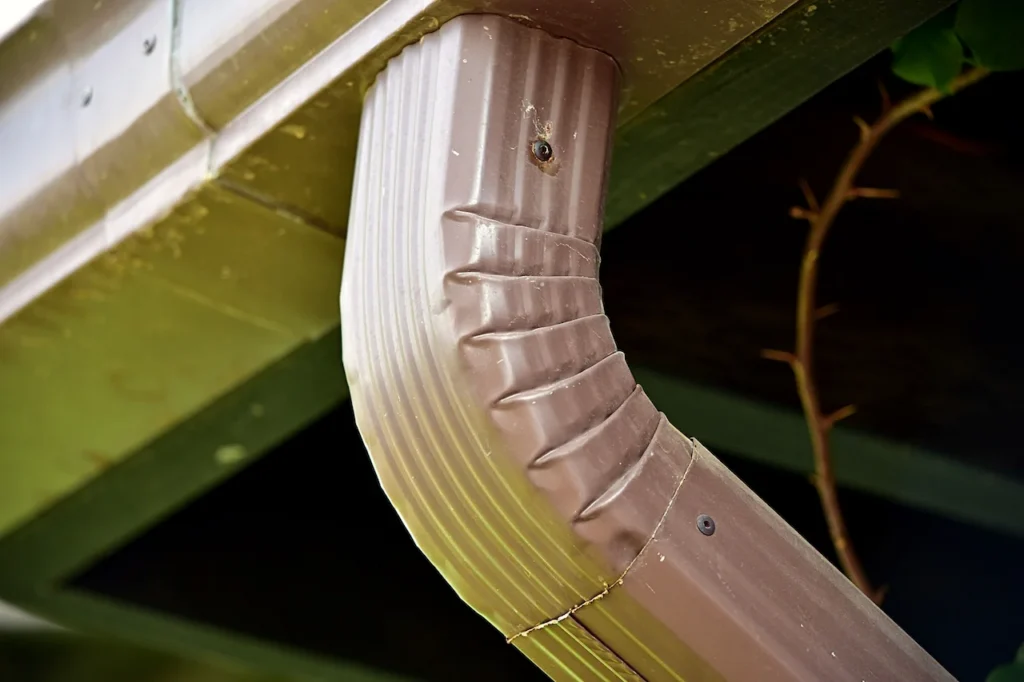
Seamless Gutter Cost vs. Regular Gutter Cost
One of the most common questions homeowners ask about seamless gutters vs. regular gutters is which option costs less.
In general, seamless gutters tend to have a higher upfront installation cost because they are custom-formed and typically require professional installation.
Regular gutters can have a lower initial price because the sections are manufactured in standard lengths and can be assembled on site.
However, comparing only the initial seamless gutter cost can be misleading.
Consider the long-term value of the system, including:
- Expected service life
- Maintenance requirements
- Potential repair needs
- Number of seams
- Quality of installation
- Gutter material
- Downspout configuration
- Drainage requirements
- Overall appearance
A less expensive system isn’t necessarily the best value if it requires frequent repairs or doesn’t adequately manage water around your home.
Gutter Maintenance Matters Regardless of the Type
Choosing between seamless and sectional gutters doesn’t eliminate the need for gutter maintenance.
Even the best-installed gutter system can become ineffective when it is filled with leaves and debris.
Routine maintenance can help homeowners identify problems such as:
- Clogged gutters
- Loose hangers
- Sagging gutter sections
- Separation at joints
- Damaged downspouts
- Rust or corrosion
- Overflow during rainfall
- Water pooling near the foundation
- Gutter leaks
The U.S. Department of Energy recommends directing gutter and downspout water away from the home’s foundation because concentrated roof runoff can saturate surrounding soil and contribute to moisture problems.
Penn State Extension likewise recommends directing downspouts away from foundations when managing stormwater around a home.
Can Seamless Gutters Still Leak?
Yes. The word “seamless” doesn’t mean a gutter system is completely incapable of leaking.
Seamless gutters have fewer seams along straight runs, but they still have connection points around corners, downspouts, end caps, and other areas.
Leaks can also result from:
- Improper installation
- Damaged gutter sections
- Loose fasteners
- Poorly sealed connections
- Clogged gutters
- Ice or snow damage
- Improper slope
- Overflow caused by inadequate drainage capacity
Professional installation and routine gutter maintenance are important regardless of which system you select.
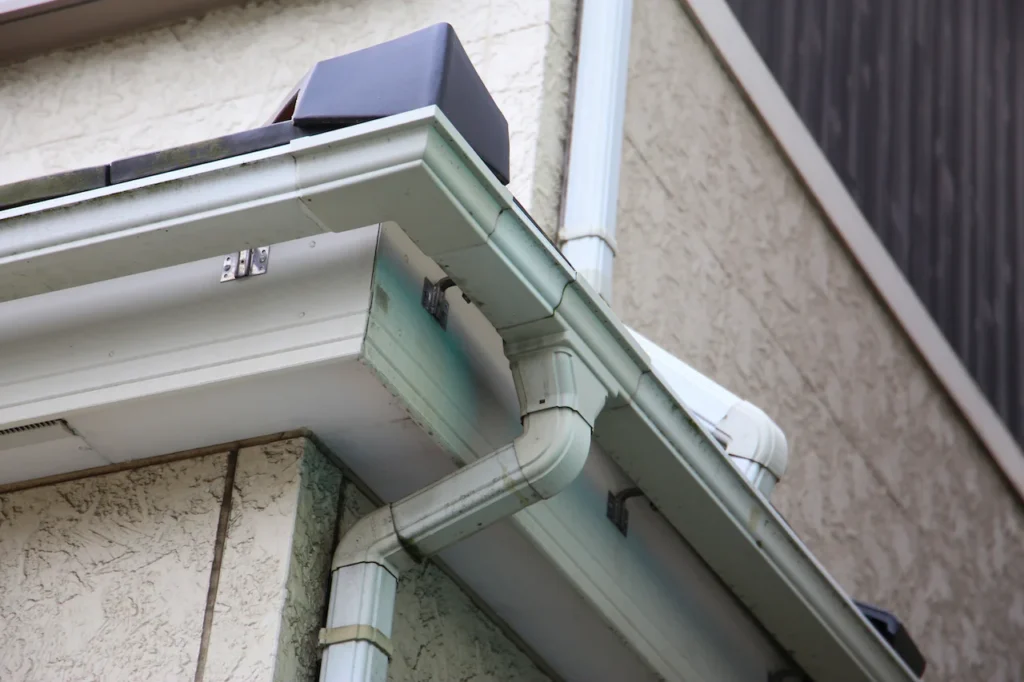
When Should You Replace Your Gutters?
Sometimes the question isn’t whether you should choose seamless or regular gutters. It is whether your existing system needs to be replaced at all.
Look for warning signs such as persistent gutter leaks, sagging sections, separation at joints, significant rust or corrosion, recurring overflow, or water collecting near the foundation.
You may also want to consider gutter replacement when you’re replacing your roof.
MHI Roofing notes that gutters and roofs don’t necessarily have to be replaced at the same time, but coordinating the projects can make sense when both systems are approaching the end of their useful service life.
A professional inspection can help determine whether your current gutters can continue performing properly or whether replacement is a better long-term solution.
Which Is Better: Seamless Gutters or Regular Gutters?
So, which option wins the seamless gutters vs. regular gutters debate?
For many homeowners, seamless gutters are an appealing long-term option because they provide fewer seams, a clean appearance, and a custom fit. They can be particularly attractive for larger homes or homeowners who want to reduce the number of potential leak points along long gutter runs.
Regular or sectional gutters may make sense when upfront cost is the primary consideration or when a homeowner needs a simple system that can be repaired or replaced in individual sections.
The best gutter system depends on your home—not just the product.
A professional should consider your roof configuration, gutter length, roof runoff, downspout locations, landscaping, foundation drainage, and local weather conditions before recommending a solution.
Why Professional Gutter Installation Matters
Even high-quality gutters can underperform when they aren’t installed correctly.
Professional gutter installation helps ensure the system is properly aligned, supported, sloped, and connected to appropriately positioned downspouts.
MHI Roofing provides gutter installation in Pittsburgh and Morgantown. The company currently offers several gutter options, including seamless and sectional systems, as well as box-style and K-style gutters and gutter guards in its Morgantown service area.
MHI Roofing has served homeowners since 1979 and provides roofing and exterior services throughout Western Pennsylvania and West Virginia.
For homeowners planning a larger exterior project, gutter work can also be considered alongside a roof inspection, roof repair, or roof replacement.
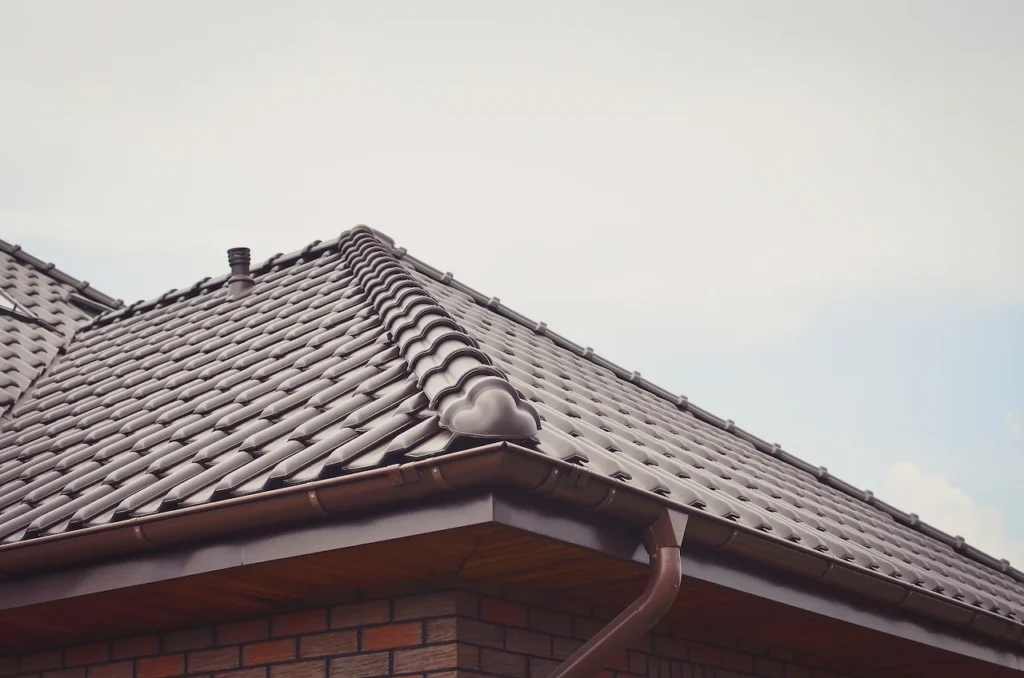
FAQ:Seamless Gutters vs. Regular Gutters
Are seamless gutters better than regular gutters?
Seamless gutters can offer advantages such as fewer seams, fewer potential leak points, a clean appearance, and custom sizing. However, sectional gutters can still be an effective option when properly installed and maintained.
Are seamless gutters more expensive?
Seamless gutters generally have a higher upfront installation cost because they are custom-formed and typically professionally installed. The overall cost depends on the home’s size, gutter material, configuration, labor, and additional components.
How long do seamless gutters last?
The lifespan of seamless gutters varies based on the material, installation quality, weather exposure, maintenance, and other factors. Regular inspections and cleaning can help extend the service life of a gutter system.
Do seamless gutters need maintenance?
Yes. Seamless gutters still need regular gutter maintenance. Leaves and debris can clog the system, and homeowners should periodically check for damage, loose components, overflow, and gutter leaks.
Should I replace my gutters when I replace my roof?
Not necessarily. However, if your gutters are aging, damaged, or no longer managing roof runoff effectively, replacing them during a roof project may be worth considering. An inspection can help determine whether gutter replacement is appropriate.
Protect Your Home With the Right Gutter System
Understanding seamless gutters vs. regular gutters can make it easier to choose a system that fits your home’s needs, budget, and long-term maintenance goals. Seamless gutters can reduce the number of seams and potential leak points, while regular sectional gutters can provide a straightforward and potentially lower-cost solution.
Most importantly, your gutter system needs to move roof runoff away from your home effectively. Properly designed gutters and downspouts are an important part of protecting the foundation and managing rainwater around the property.
If you’re considering gutter installation, gutter replacement, or an inspection of your current system, MHI Roofing can help you understand your options. Contact MHI Roofing today to schedule a professional roof inspection. Pittsburgh homeowners can call (412) 912-1813, Morgantown homeowners can call (681) 239-3457, or contact MHI Roofing online to discuss your roofing needs.
