

Soffit and fascia are two important parts of your home’s roofing system that often go unnoticed until something goes wrong. Located around the roof’s edges, these components help protect your home from moisture, support proper attic ventilation, and provide a finished appearance along the roofline. When they become damaged, ignored, or improperly ventilated, problems can develop that affect more than just your home’s curb appeal.
Understanding what soffit and fascia do can help you recognize potential problems before they become more expensive repairs. At MHI Roofing, protecting your home means paying attention to every part of your roofing system—including the areas that are easy to overlook.
Since 1979, our team has provided dependable roofing and exterior services backed by quality workmanship, free inspections, and a commitment to customer satisfaction. Whether you’re concerned about damaged soffit, deteriorating fascia, or problems with your roof’s ventilation, you can count on MHI Roofing for straightforward guidance and professional service. Contact MHI Roofing today to schedule a professional roof inspection. Pittsburgh homeowners can call (412) 912-1813, Morgantown homeowners can call (681) 239-3457, or contact MHI Roofing online to discuss your roofing needs.
What Is Soffit and Fascia?
The terms soffit and fascia are often used together because they work closely along the edge of a roof, but they serve different purposes.
The easiest way to tell them apart is to look at the direction in which they face.
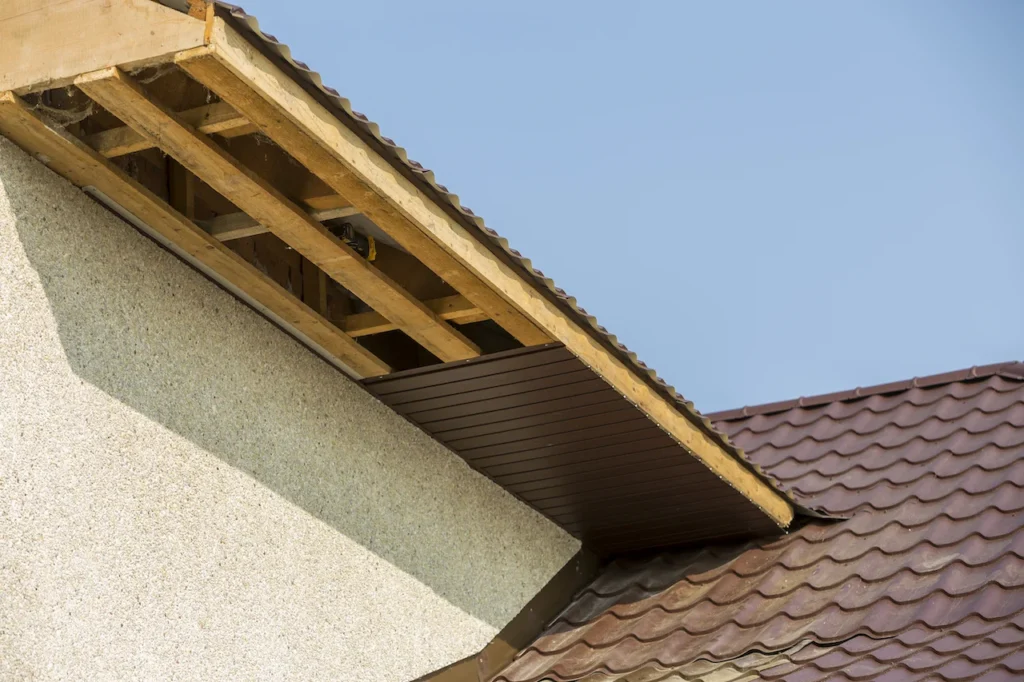
- Soffit: The horizontal or underside portion of the roof overhang.
- Fascia: The vertical board or trim located along the outer edge of the roof.
- Roof eaves: The lower edges of a roof that extend beyond the exterior walls.
- Soffit vents: Openings or vents incorporated into the soffit that can provide intake ventilation for a vented attic.
Together, these components help create a finished roof edge while contributing to the home’s protection from weather and moisture.
Homeowners may encounter soffits and fascia made from materials such as wood, aluminum, vinyl, or other manufactured products. The appropriate material depends on the home’s design, existing construction, climate, and roofing system.
What Does a Soffit Do?
A soffit covers the underside of the roof overhang. Besides giving the roof edge a finished appearance, the soffit can be an important part of an attic ventilation system.
When a home has a vented attic, soffit vents can allow outdoor air to enter near the lower edge of the roof. That intake air can then move through the attic toward higher exhaust vents, such as a ridge vent.
The U.S. Department of Energy’s attic ventilation guidance explains that effective attic ventilation can help move air through the attic space. Soffit vents can provide the lower intake portion of that ventilation path.
However, ventilation is not simply a matter of adding more openings. The system needs to be appropriately designed and installed for the particular roof. Insulation, air sealing, baffles, and exhaust ventilation can all play a role.
What Does a Fascia Board Do?
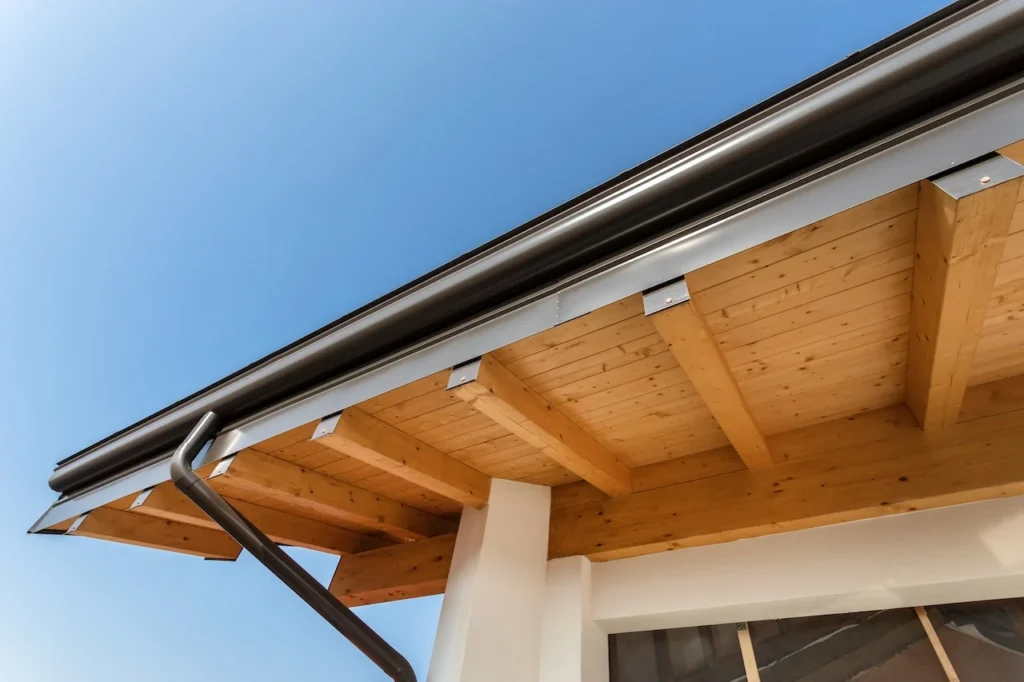
A fascia board runs along the outer edge of the roof. It provides a finished transition between the roof and exterior walls while also helping support components installed along the roof edge.
Fascia is often located behind or near the home’s gutter system, which means problems with the roof edge can sometimes become connected to gutter drainage issues.
For example, water that repeatedly overflows from clogged or improperly functioning gutters can contribute to moisture exposure around the fascia. Over time, persistent moisture can contribute to deterioration, staining, rot, or other damage depending on the material.
This is one reason the condition of your gutters, fascia, and roof should be considered together rather than as completely separate parts of your home’s exterior.
Soffit vs. Fascia: What Is the Difference?
One of the most common questions homeowners have is the difference between soffit and fascia.
The simplest explanation is:
| Component | Location | Main Purpose |
| Soffit | Underside of roof overhang | Covers the underside and may provide attic intake ventilation |
| Fascia | Outer vertical edge of roof | Finishes and protects the roof edge and works with gutter components |
| Roof eaves | Lower roof edges | Extend beyond exterior walls and help direct water away from the walls |
Think of the soffit as the part you see when looking up underneath the roof overhang. The fascia is the part you see when looking straight at the outer edge of the roofline.
Although they have different jobs, the two components meet at the roof edge and should work together as part of a properly constructed exterior.
Why Are Soffit and Fascia Important?
Soffit and fascia are more than decorative trim. They can play several important roles in protecting your home.
1. Soffit and Fascia Help Protect the Roof Edge
The edges of a roof are exposed to rain, snow, ice, wind, and changing temperatures. Properly installed soffit and fascia help enclose and protect portions of the roof edge and overhang.
Damage in this area can create openings where moisture, insects, birds, or other pests may enter.
The U.S. Department of Energy also discusses the importance of properly ventilated attic spaces and maintaining appropriate airflow.
2. Soffit Vents Can Support Roof Ventilation
One of the most important functions associated with soffits is ventilation.
In a traditional vented attic, air can enter through soffit vents near the eaves and move toward higher exhaust points. This airflow can help manage heat and moisture within the attic space.
According to the U.S. Department of Energy, attic ventilation systems can use intake and exhaust openings to promote airflow through the attic.
MHI Roofing also explains the importance of ventilation in How Roof Ventilation Protects Your Home and Roof.
3. They Help Manage Moisture
Moisture is one of the biggest concerns for any roofing system.
A roof can be exposed to precipitation from above while attic spaces can also experience moisture from condensation and air movement. Poorly managed moisture can contribute to deterioration of building materials.
The EPA’s guidance on mold, moisture, and your home recommends addressing moisture problems and leaks promptly because excessive moisture can contribute to mold growth and other problems.
Soffit and fascia cannot solve every moisture problem on their own, but keeping these components in good condition is one part of maintaining the overall exterior and roofing system.
4. They Provide a Finished Appearance
Soffit and fascia also have an important visual function.
Without properly finished roof edges, the transition between your roof, walls, and overhangs can look incomplete. Clean, properly maintained soffit and fascia create a finished appearance that complements the home’s siding and roofing materials.
Damaged or deteriorated components, on the other hand, can make an otherwise well-maintained home look neglected.

What Are Common Signs of Damaged Soffit and Fascia?
Because soffit and fascia are located around the roof edge, some problems may be difficult to notice from the ground. However, homeowners should watch for visible changes.
Common warning signs include:
- Peeling, bubbling, or flaking paint
- Discoloration or water stains
- Soft, swollen, or rotting wood
- Cracked or broken soffit panels
- Loose or sagging sections
- Gaps around the roof edge
- Damaged or missing soffit vents
- Evidence of birds, insects, or other pests entering the roof edge
- Gutters pulling away from the fascia
- Water overflowing or backing up near the roof edge
- Visible deterioration following a major storm
Some of these symptoms can be caused by problems elsewhere in the roofing system. For example, a water stain near the fascia does not necessarily mean the fascia itself is the source of the leak.
That’s why a professional evaluation is often more useful than simply replacing the most visible damaged component.
What Causes Soffit and Fascia Damage?
There isn’t one single cause of damaged soffit and fascia. Several factors can contribute to deterioration.
Water and Moisture
Persistent moisture is one of the most common concerns. Roof leaks, gutter overflow, ice, snow, and wind-driven rain can all expose the roof edge to water.
Wood components can be especially vulnerable when they remain damp for extended periods.
The EPA’s recommendations for controlling moisture emphasize the importance of finding and correcting sources of water intrusion.
Storm Damage
Strong winds, hail, falling branches, and wind-driven rain can damage exterior roofing components.
Soffit panels may become loose or cracked, while fascia can be dented, pulled away, or damaged by falling debris.
If a storm recently affected your home, look for signs of damage along the roof edges as well as the shingles. MHI Roofing’s hail damage roof repair and replacement information explains why some storm damage can be difficult to identify from the ground.
Poor or Blocked Ventilation
Blocked soffit vents can interfere with the intended airflow through a vented attic.
The Department of Energy recommends maintaining clear ventilation pathways so air can move through the attic as intended.
Insulation can sometimes obstruct soffit vents if it is installed too close to the roof edge. Proper baffles can help maintain an open path between the soffit intake and attic space.
Age and Normal Wear
Even properly installed roofing components eventually experience wear.
Repeated exposure to sunlight, temperature changes, rain, snow, ice, and wind can cause materials to deteriorate over time.
Routine roof inspections can help homeowners catch aging soffit and fascia before a small issue develops into a larger exterior or roofing problem.
How Do You Know When You Need Soffit and Fascia Repair?
Not every damaged section requires a complete replacement. The appropriate solution depends on the extent and cause of the damage.
Minor problems may sometimes be addressed with targeted repairs. More extensive deterioration may require replacement of affected sections or related roofing components.
A professional should evaluate:
- The type of soffit and fascia material
- The extent of visible damage
- Whether moisture has affected surrounding materials
- The condition of nearby gutters
- The condition of the roof edge
- Whether attic ventilation is functioning as intended
- Whether storm damage contributed to the problem
- Whether there are signs of structural deterioration
If the problem is connected to a larger roofing issue, repairing only the soffit or fascia may not address the underlying cause.
A roof inspection can provide a better picture of what is actually happening.
How Can Homeowners Maintain Soffit and Fascia?
Regular maintenance can help homeowners catch problems early.
Keep Gutters Clear
Gutters are designed to direct rainwater away from the roof and home. When they become clogged, water can overflow near the roof edge and contribute to moisture exposure.
MHI Roofing has also covered seamless gutters and regular gutters to help homeowners understand the differences between these gutter options.
Look for Changes After Storms
After severe weather, visually check the roofline from the ground for loose, missing, cracked, or sagging components.
Do not climb onto the roof or attempt to inspect difficult-to-reach areas yourself. A professional inspection is safer and can identify damage that may not be visible from the ground.
For additional storm-related information, see MHI Roofing’s steps to take after storm damage.
Keep Soffit Vents Clear
If your roof uses soffit vents as part of its ventilation system, they should not be obstructed by debris, paint, insulation, or other materials.
The Department of Energy’s ventilation guidance explains the importance of maintaining proper airflow through attic ventilation systems.
Schedule Routine Roof Inspections
A professional inspection can identify problems involving the roof, flashing, ventilation, gutters, soffit, and fascia before they become more extensive.
Can Soffit and Fascia Problems Affect Your Roof?
Yes. While a damaged soffit or fascia does not automatically mean the roof itself is failing, problems around the roof edge can sometimes be connected to broader roofing or moisture issues.
For example, water entering through a damaged roof edge can affect surrounding materials. Blocked soffit vents can also interfere with intended attic airflow.
At the same time, not every soffit problem requires roof replacement. The right solution depends on the cause and severity of the damage.
This is why homeowners should avoid assuming that a visible problem automatically means they need a completely new roof.
Protect Your Roof From the Edge Up
Your home’s soffit and fascia play an important role in protecting the roofline, managing moisture, and supporting proper ventilation. If you notice signs of damage or simply want to know whether these areas are in good condition, MHI Roofing is here to help.
With decades of experience, a strong reputation for customer service, and a commitment to treating every home as we would our own, our team can help you determine the right next step. Contact MHI Roofing today to schedule a professional roof inspection. Pittsburgh homeowners can call (412) 912-1813, Morgantown homeowners can call (681) 239-3457, or contact MHI Roofing online to discuss your roofing needs.
Frequently Asked Questions About Soffit and Fascia
What is soffit and fascia?
Soffit is the material covering the underside of a roof overhang, while fascia is the material running along the outer edge of the roof. Together, they help finish and protect the roof edge, and soffits may also contain vents that contribute to attic ventilation.
What is the difference between soffit and fascia?
The primary difference is location. Soffit is generally horizontal and located underneath the roof overhang, while fascia is generally vertical and located along the outer edge of the roof.
Do soffit vents help with roof ventilation?
Yes. In a vented attic system, soffit vents can provide intake ventilation near the lower edge of the roof. Air can then move toward higher exhaust vents when the system is properly designed.
How do I know if my soffit and fascia are damaged?
Look for discoloration, peeling paint, cracks, sagging, soft or rotting areas, loose panels, gaps, damaged vents, pest activity, or gutters pulling away from the fascia. A professional inspection can identify problems that are difficult to see from the ground.
When should soffit and fascia be replaced?
Replacement may be appropriate when the material has extensive deterioration, rot, storm damage, or other problems that cannot be effectively repaired. The best approach depends on the material, cause, and extent of the damage.
